
Many leaders feel pressure to have answers. But in this moment, something else is true:
We don’t have all the tools we need. And we don’t yet know all the questions we should be asking.
This Is Adaptive Work
As Ronald Heifetz teaches, some challenges are technical.
We know the problem.
We know the solution.
But others are adaptive.
They require us to:
- learn new ways of relating
- grow in understanding
- change together
What we are facing today is both.
The Role of a Leader
In adaptive moments, leaders are not just problem-solvers.
They are guides for learning.
They help people:
- face reality
- stay connected
- grow in wisdom
And this work cannot be carried by one leader alone. It requires networks of groups learning and acting together.
Our Traditions Are Living Resources
Every tradition—religious or civic—holds:
- values
- practices
- teachings
But healthy traditions also help us:
- reflect on ourselves
- learn from new experience
- grow over time
So the question is not:
“Does my tradition have the answer?”
But:
“How can my tradition help us learn what this moment requires?”
Religious traditions are repositories of humanity’s accumulated wisdom about sustaining cooperation, meaning, and shared life across generations.
They include not only the core of the civil contract withing groups, but between groups.
So we want to leverage our wisdom about human beings, human community, and how we relate to the world, and recognize that at least the scale and complexity of our world requires that we learn from and with each other to meet the adaptive problem.
Learning Across Difference
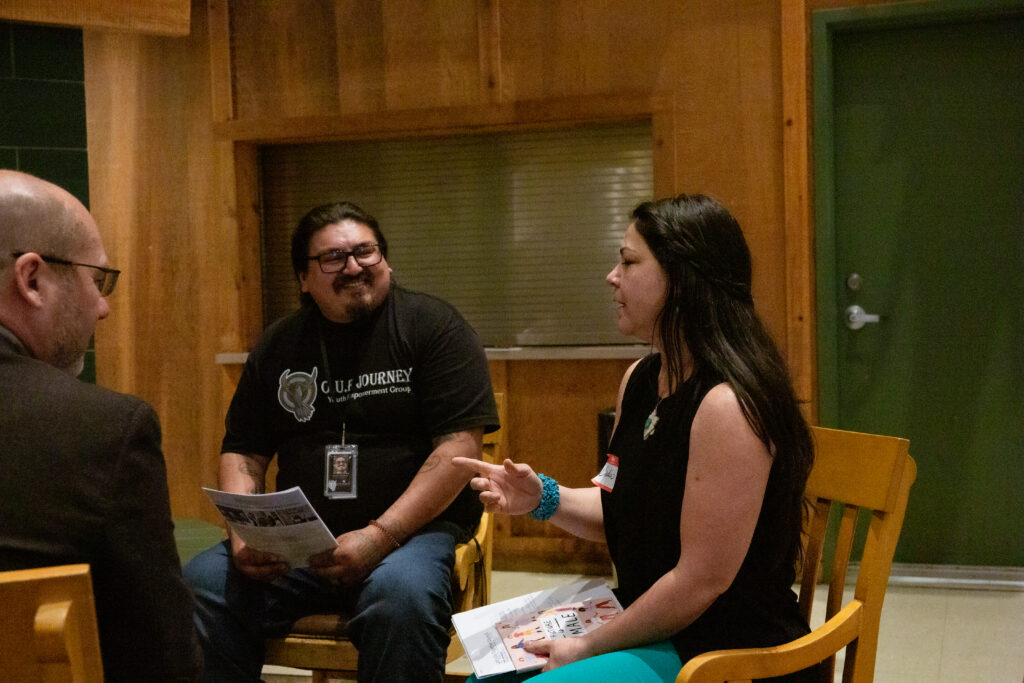
When groups come together well, something powerful happens.
People begin to:
- reflect more deeply on their own tradition
- hear others with curiosity
- discover new ways forward
This is not about agreement.
It is about growing in wisdom together.
A Small Next Step
With your team or community, ask:
- What feels clear right now?
- What are we still learning?
- Who could we learn with?
Because renewing the civil contract is not just about action.
It is about learning—together.