
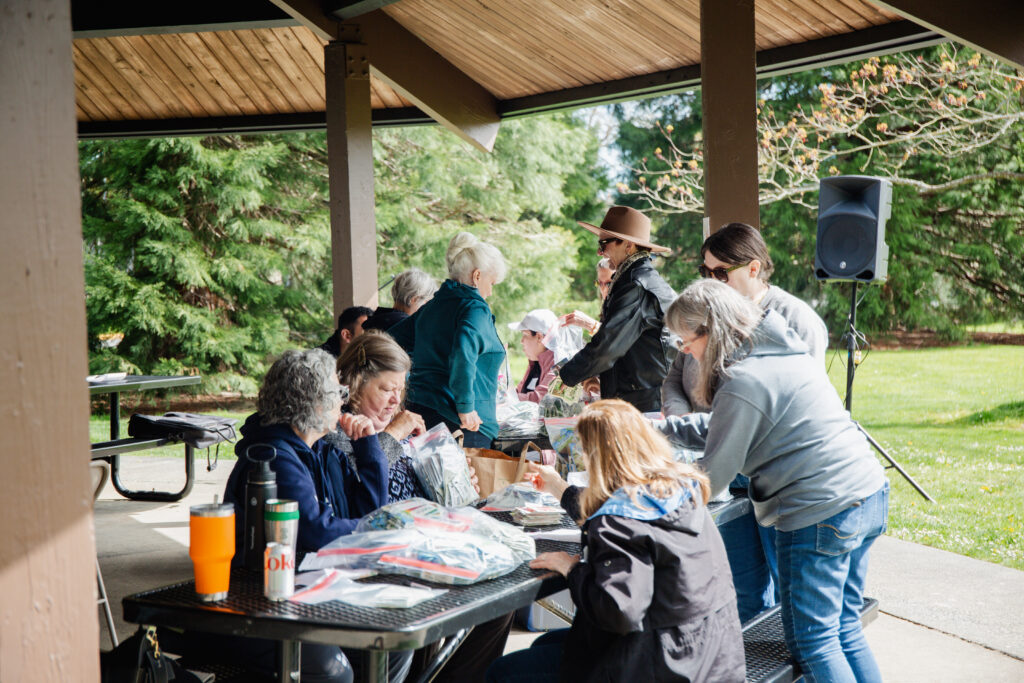
If distance is part of the problem, then relationship is part of the answer.
But here is something we have learned:
Not all contact builds trust.
Sometimes it does the opposite.
We Are Not Starting From Neutral
When groups come together, they bring:
- different histories
- real trauma
- cultural and religious differences
- political and ideological tensions
Even people committed to our common humanity can feel:
- cautious
- defensive
- unsure what is safe to say
And many of us have been shaped by strong individualism:
“I’ll figure this out on my own.”
But trust doesn’t work that way.
It is built between people, over time.
More Than Dialogue
Many efforts in the past have focused on dialogue alone. But in this moment, we need more than conversation.
We need relationships strong enough to help communities work together.
Because communities don’t just need good people. They need strong connections between groups.
What Actually Builds Trust
Simply putting people in a room is not enough.
Trust grows when there is:
- clear purpose
- shared agreements
- guided conversation
- enough time to go deeper
This is why efforts like the Potluck Project and Let’s Go Together are designed with care.
Not to control people.But to create space where people can be real—and stay engaged.
It’s Natural to Stay Apart
It’s natural to stay with people who think like we do. That feels easier. Safer. But renewing our shared life requires something more:
Stepping into relationship beyond our own group.
Trust Takes Time
One gathering helps. But it is not enough.
Trust grows through:
- repeated contact
- shared experience
- learning how to stay in relationship even when it’s hard
This is how communities build the trust that leads to civic muscle—the ability to work together across difference (a key idea from the Rippel Foundation).
A Small Next Step
If you are a leader, don’t rush this.
Ask:
What would it take to bring two groups together
in a way that builds trust, not tension?
Start there.