
Blog
Dehumanization and Political Violence
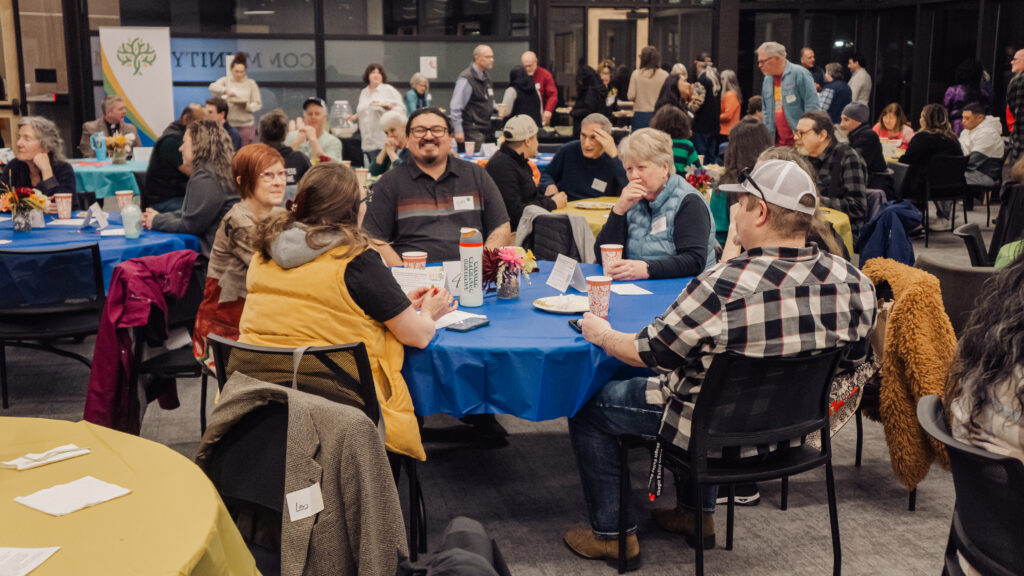
Political violence doesn’t begin with weapons—it begins with how we see each other. When we reduce people to categories, fear grows, trust breaks down, and harm becomes easier to justify. This resource helps leaders understand how dehumanization develops, why it spreads, and how it can be interrupted. It offers practical tools to strengthen relationships, set…
Read MoreThe Society We Deserve
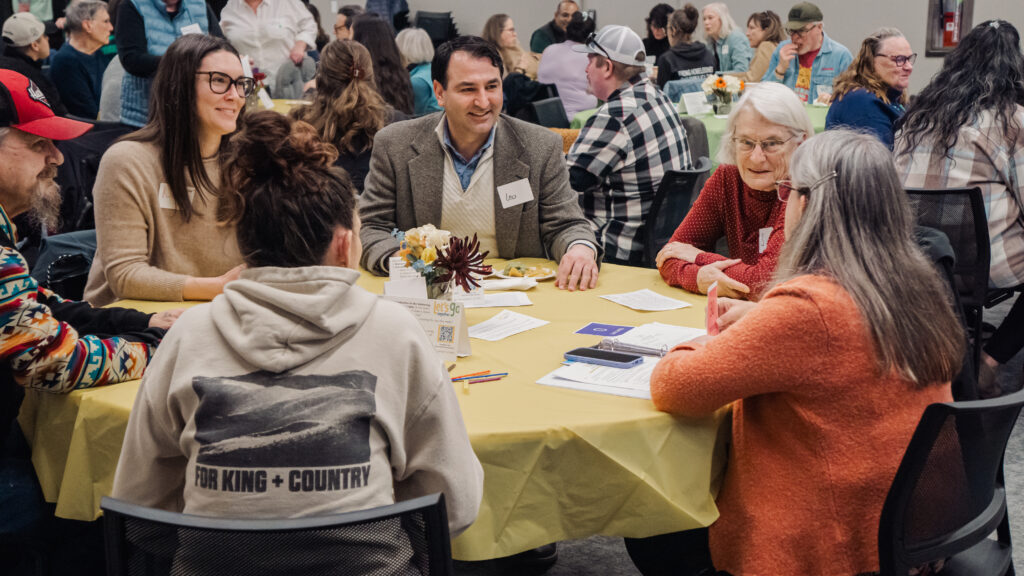
Political scientist Rachel Kleinfeld says democracies heal when everyday people choose to move toward one another — not away. We cannot wait for Washington or a single leader to fix what’s broken. Renewal begins locally, with neighbors rebuilding trust, holding each other accountable to our best values, and creating small victories that ripple outward. Every…
Read MoreBuild: The Long Work of Civic Muscle
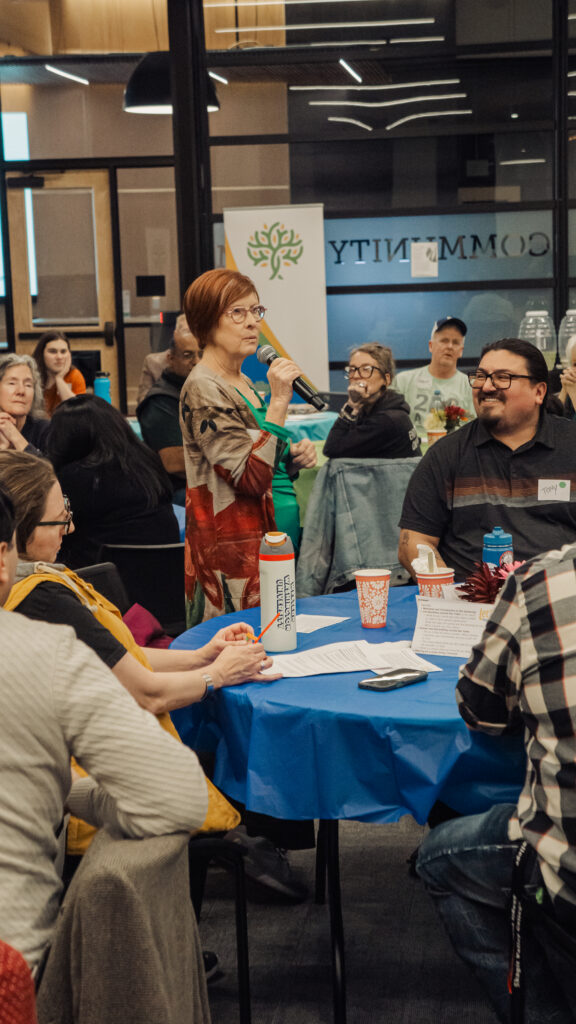
Building is where the future lives. It is the slow work of: Building renews democracy from the ground up. It creates what we call civic muscle—the ability of a community to face stress without tearing itself apart. Why Build Is Essential Now Our democracy is not only polarized. It is fragile. We need: Building does…
Read MoreBlock: Why Protecting People Matters
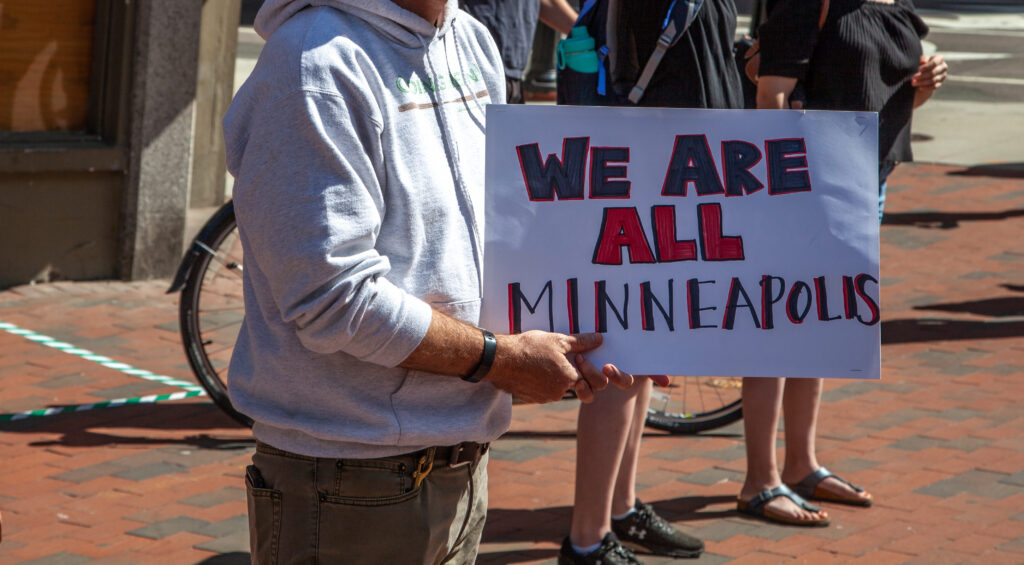
Blocking is the strategy of protection. When systems harm people, especially the vulnerable, silence becomes complicity. Blocking is necessary. More to the point: Blocking is about love. I recently listened to some Lutheran leaders in Minneapolis/St. Paul. They have been organizing with many groups to support neighbors in terror imposed by the federal government there.…
Read MoreBridge: Why Trust Is the Oxygen of Democracy
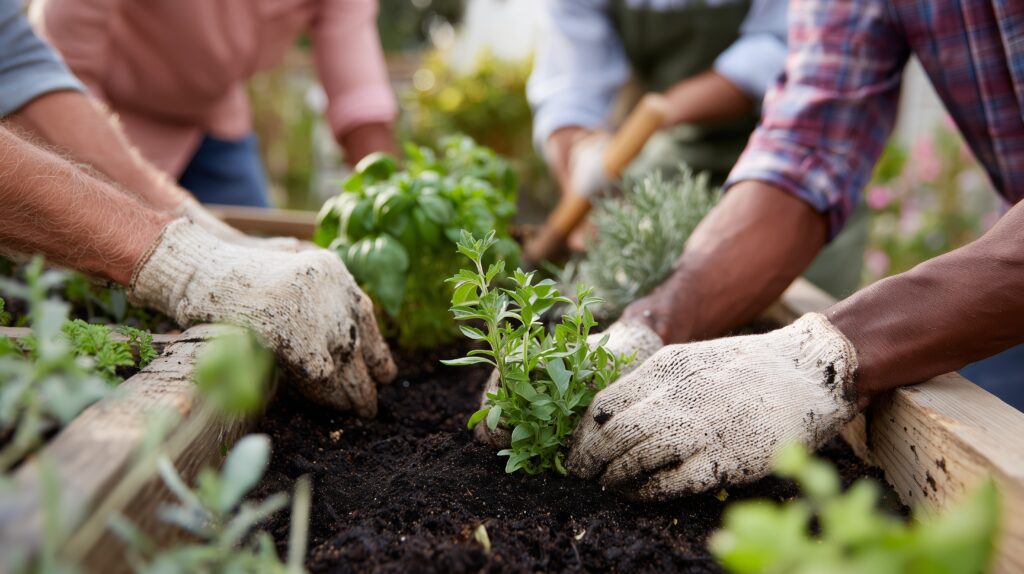
Democracy does not run on agreement. It runs on trust. Right now, trust is collapsing. We sort ourselves by media. We assume the worst about people in other groups. We rarely sit at tables with those who see the world differently. That is not accidental. Polarization is profitable. Outrage drives engagement. Fear mobilizes voters. But…
Read MoreSo What Do We Do?
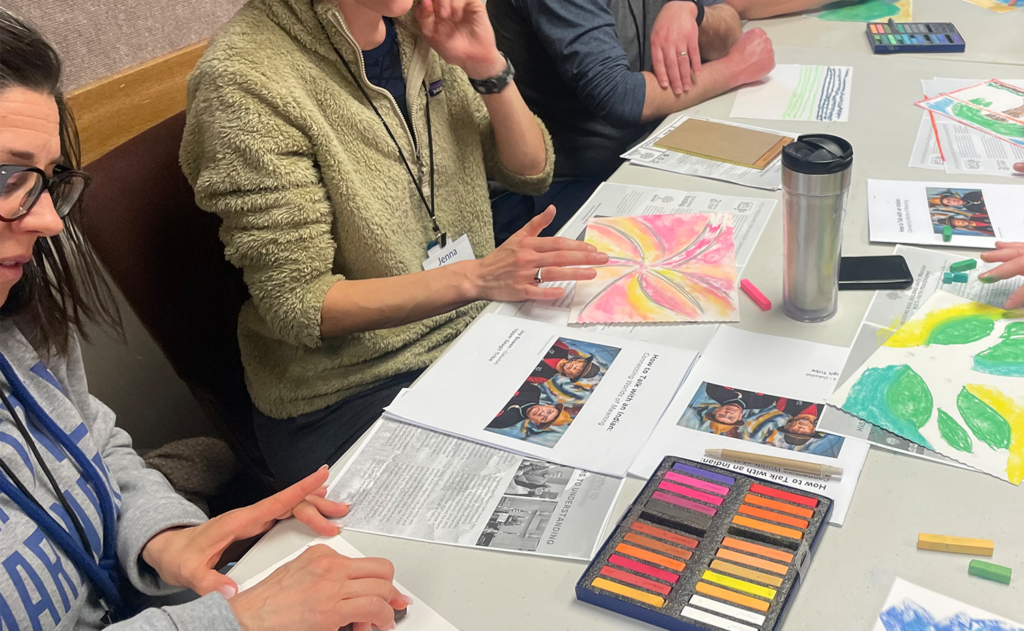
Practical Steps for Faith and Interfaith Leaders Living on the Edge If we agree that the sacred–secular split is hollowing out both faith and public life—and if we reject domination as an answer—then the question becomes practical: What leaders of wisdom traditions and interfaith leaders actually do? Not next decade.Not after the culture cools down.Now.…
Read More